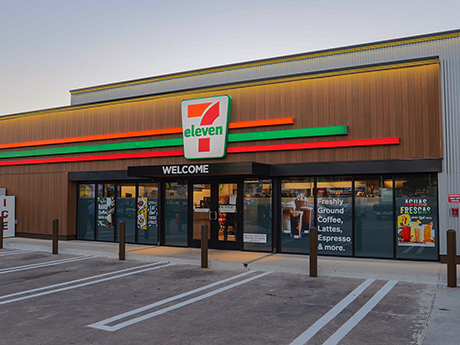
In the competitive realm of retail, few brands have established such a formidable presence as 7 Eleven. This global convenience store chain has become synonymous with quick service and a diverse range of products, catering to the needs of busy consumers. However, beyond its well-known brand, the real estate aspect of 7 Eleven plays a crucial role in its success. This article delves into the intricacies of 7 Eleven real estate, exploring its strategic locations, the implications of leasing, and the broader trends influencing this sector.

Strategic Location Selection
When it comes to retail, the age-old adage "location, location, location" holds particularly true. For 7 Eleven, selecting the right sites for their stores is a meticulous process that involves extensive market research and demographic analysis. The company seeks locations that are not only highly visible but also easily accessible to a large consumer base. Urban areas with high foot traffic, proximity to residential neighborhoods, and locations near major transportation hubs are often prioritized.
Moreover, 7 Eleven has shown a remarkable ability to adapt to changing consumer behaviors. As cities evolve and populations shift, the company has strategically repositioned its stores to meet new demands. For instance, in urban areas where space is at a premium, 7 Eleven often opts for smaller formats that can serve the same function without the need for expansive real estate. This adaptability not only maximizes their market reach but also enhances the efficiency of their operations.
The Leasing Model: A Key Component
The leasing model employed by 7 Eleven is another critical aspect of its real estate strategy. Unlike traditional retail models that may involve outright purchases of property, 7 Eleven frequently engages in leasing agreements. This approach allows the company to maintain flexibility in its operations and reduce the financial burden associated with property ownership. By leasing, 7 Eleven can enter new markets more rapidly and adjust its footprint based on performance metrics.
Leases are typically structured to accommodate the unique needs of each location, taking into consideration factors such as local regulations, market conditions, and the competitive landscape. This level of customization enables 7 Eleven to thrive in various environments, from bustling city centers to suburban communities. Additionally, long-term leases often include options for renewal, which provides stability for both the company and the property owners.
Market Trends Influencing 7 Eleven Real Estate
Understanding the trends shaping the retail landscape is essential for comprehending the dynamics of 7 Eleven real estate. One significant trend is the increasing emphasis on sustainability and environmental responsibility. Many consumers today are more conscious of their purchasing decisions, favoring brands that demonstrate a commitment to sustainability. In response, 7 Eleven is exploring eco-friendly store designs and energy-efficient practices, which not only appeal to consumers but also align with the growing demand for corporate social responsibility.
Another noteworthy trend is the rise of e-commerce and the subsequent need for convenience stores to integrate technology into their operations. The proliferation of mobile payment options, delivery apps, and online ordering systems has transformed consumer expectations. 7 Eleven is responding by enhancing its digital presence, creating user-friendly apps, and optimizing its supply chain to ensure that products are readily available both in-store and online. This integration of technology into the retail space is crucial for maintaining competitiveness in a rapidly changing market.
Future Outlook of 7 Eleven Real Estate
Looking ahead, the future of 7 Eleven real estate appears promising, underpinned by the brand's robust adaptability and innovative strategies. As urbanization continues to drive population growth in cities, the demand for convenience stores is likely to increase. 7 Eleven's ability to identify and capitalize on emerging markets will be vital to its ongoing success.
Additionally, as consumer preferences evolve, 7 Eleven is poised to respond with agility. The company's commitment to diversification—offering a variety of products from fresh foods to household essentials—positions it well to meet the changing needs of consumers. By continually assessing market conditions and consumer trends, 7 Eleven can ensure that its real estate strategy remains aligned with the broader retail landscape.
Conclusion
In summary, the real estate strategy of 7 Eleven is a multifaceted approach that hinges on strategic location selection, a flexible leasing model, and an acute awareness of market trends. As the retail environment continues to evolve, 7 Eleven's ability to adapt and innovate will be critical in maintaining its competitive edge. The insights provided in this article highlight the importance of understanding the dynamics of 7 Eleven real estate within the broader context of the retail industry. For a deeper dive into the trends shaping commercial real estate, visit NNN Trends by Equity CRE.



Write a comment ...