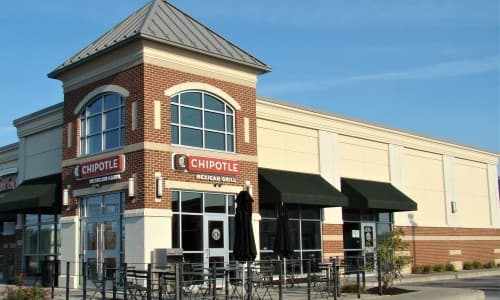
Commercial real estate investors often focus on properties that deliver stable income, long lease terms, and minimal operational risk. Among retail assets, single tenant restaurant properties have earned a strong reputation for consistency and lender confidence. This has led many investors to explore Chipotle financing as a pathway to acquiring or refinancing these assets under favorable conditions.
Understanding how this type of financing works requires a closer look at lease structures, tenant performance, underwriting standards, and long term investment goals. This article explains the mechanics of financing these commercial properties, outlines what lenders evaluate, and highlights how investors can position themselves for successful outcomes.

Overview of Single Tenant Restaurant Properties
Why Lenders Favor This Asset Class
Single tenant restaurant properties are often backed by long term leases and well established operating models. These factors reduce uncertainty for lenders and support predictable income streams. As a result, financing options tend to be more attractive than those offered for multi tenant or operationally intensive properties.
The Role of Lease Structure
Most of these properties operate under a triple net lease structure. The tenant is responsible for property taxes, insurance, and maintenance. This arrangement limits owner expenses and creates consistent net operating income, which is a critical component in loan underwriting.
Long Term Income Stability
Extended lease durations provide lenders with confidence that rental income will remain in place throughout the loan term. This stability supports longer amortization periods and competitive interest rates.
How Chipotle Financing Fits Into NNN Investing
Alignment With Passive Investment Strategies
Investors seeking passive income often prioritize assets that require minimal involvement. Chipotle financing is typically structured to align with this objective by supporting properties where operational responsibilities are shifted away from the owner.
Institutional Quality Underwriting
Lenders approach these transactions with an institutional mindset. They evaluate the asset as a long term income producing investment rather than a short term trade. This results in financing structures designed to support durability and predictability.
Appeal to Private and Institutional Buyers
Both individual investors and larger investment groups pursue these properties. Financing solutions are often flexible enough to accommodate a wide range of buyer profiles and portfolio sizes.
Key Components of the Financing Process
Tenant Credit Evaluation
One of the first steps in underwriting involves assessing tenant financial strength. Lenders review operating history, revenue performance, and long term viability. Strong tenant fundamentals reduce perceived risk and support favorable loan terms.
Lease Term and Conditions
The remaining lease term plays a significant role in loan structure. Longer remaining terms generally allow for longer amortization and lower interest rates. Lenders also examine rent escalations, renewal options, and expense responsibilities.
Property Location Analysis
Location quality directly impacts long term performance. Lenders assess traffic counts, visibility, accessibility, and surrounding demographics. Properties in strong trade areas are more likely to maintain value and support refinancing or resale.
Loan Structures Commonly Used
Fixed Rate Financing
Fixed rate loans are popular for these assets due to income predictability. Locking in a stable interest rate allows investors to forecast cash flow with confidence and protect returns against market fluctuations.
Amortization Periods
Amortization schedules are often extended to match the stability of the lease. Longer amortization reduces monthly debt service and enhances cash flow.
Loan to Value Considerations
Conservative loan to value ratios are common. This approach balances leverage with risk management, ensuring that the property can withstand market changes.
Benefits of Chipotle Financing for Investors
Enhanced Cash Flow Predictability
With operating expenses passed through to the tenant and debt service fixed, investors benefit from consistent monthly income. This predictability supports long term financial planning.
Reduced Management Burden
Owners are not responsible for day to day property issues. This makes it easier to manage multiple assets across different markets without increasing operational complexity.
Attractive Exit Potential
Well financed properties with long term leases remain desirable to future buyers. This liquidity provides flexibility when investors decide to rebalance portfolios or exit positions.
Refinancing Opportunities
Lowering Cost of Capital
As interest rate environments change or property values increase, refinancing can reduce borrowing costs. Improved terms directly enhance net operating income.
Accessing Built Up Equity
Appreciation over time creates equity that can be accessed through refinancing. Investors often use this capital to acquire additional properties or diversify holdings.
Extending Loan Maturity
Refinancing can reset loan timelines to better align with remaining lease terms. This reduces near term refinancing risk and supports long term stability.
Risk Factors Lenders Evaluate
Market Saturation
Lenders examine competitive density within the trade area. Oversupply can impact sales performance, so properties in balanced markets are favored.
Economic Resilience
Local employment trends, population growth, and income levels influence long term viability. Strong economic fundamentals support both tenant success and property value.
Lease Expiration Timing
The closer a lease is to expiration, the more cautious lenders become. Longer remaining terms reduce uncertainty and support stronger financing options.
Comparing to Other Retail Financing Options
Lower Volatility Than Multi Tenant Assets
Single tenant restaurant properties generally experience less income fluctuation than multi tenant retail centers. This stability is reflected in more favorable financing terms.
Greater Simplicity Than Operational Properties
Unlike hotels or self managed businesses, these assets do not rely on owner operations. Financing is therefore based on real estate fundamentals rather than business performance.
Stronger Lender Confidence
Consistent performance and standardized lease structures create familiarity among lenders. This confidence translates into efficient underwriting and smoother closings.
Strategic Tips for Investors
Match Loan Terms to Lease Duration
Aligning debt maturity with lease length minimizes risk. This ensures rental income supports loan obligations throughout the financing period.
Evaluate Long Term Market Trends
Investors should look beyond current performance and consider how the market may evolve over time. Sustainable locations support long term value.
Plan for Portfolio Growth
Financing structures should allow for future acquisitions. Working with lenders that support portfolio expansion can streamline growth strategies.
Long Term Investment Outlook
Stability Across Economic Cycles
Food oriented retail has historically demonstrated resilience during economic shifts. This consistency supports long term financing confidence.
Inflation Protection
Rent escalations embedded in leases help offset rising costs. Fixed debt paired with growing rental income preserves real returns.
Wealth Preservation Benefits
Predictable income and strong resale demand make these properties attractive for investors focused on capital preservation and steady growth.
Conclusion
Understanding how Chipotle financing works for commercial properties provides valuable insight into why these assets remain highly sought after in the triple net market. Strong tenant performance, long term leases, and favorable financing structures create a compelling investment profile.
For investors seeking predictable income, minimal management, and long term stability, this financing approach offers a clear pathway to sustainable portfolio growth. With careful evaluation of lease terms, location fundamentals, and loan structure, investors can leverage these opportunities to build resilient and profitable commercial real estate holdings.


Write a comment ...